







Search Results for: Rising Raw Material Prices
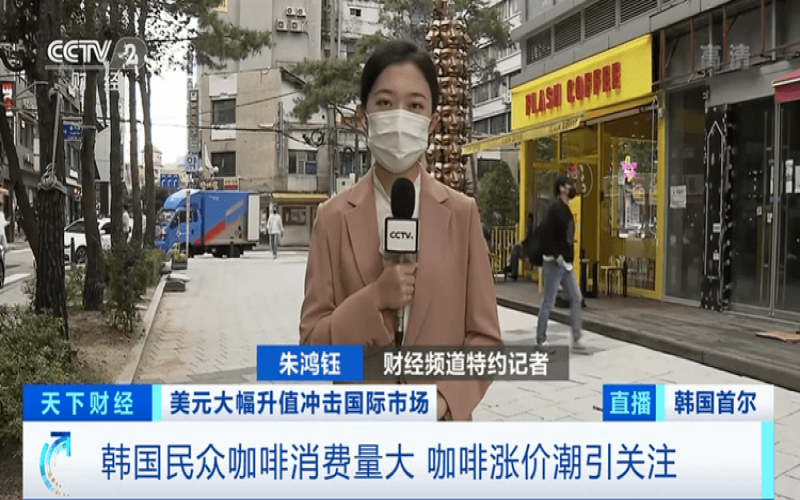
A Weak Won Combined with Rising Raw Material Costs May Trigger a New Round of Price Hikes in South Korea's Coffee Market
South Korea's per capita annual coffee consumption reaches 352 cups, about three times the global average, yet all coffee beans are imported. Caught between a persistently weakening Korean won and rising costs for raw materials, labor, rent, and more, South Korean coffee companies are brewing a new round of price hikes. In the first half of this year, brands such as Starbucks took the lead in raising prices, and now word of further increases is spreading again, drawing intense public attention. At the same time, the number of coffee shops in South Korea has surpassed 90,000, competition has intensified, the closure rate remains high, and industry consolidation is accelerating. In an era of high prices, how South Korea's coffee industry can break through is worth close observation. [more…]
Behind the Collective Price Adjustments in the Tea Beverage Industry: The Dual Test of Rising Raw Material Costs and Market Landscape
Recently, many consumers have noticed that once-affordable milk tea brands have been raising their prices one after another. From Yidiandian to Mixue Bingcheng, and then to CoCo都可, the wave of price increases among mid- to low-end tea beverages has drawn widespread attention. At the same time, Coca-Cola, the ever-green player in the beverage world, has also been rumored to be considering a price hike. Behind this round of price adjustments lie not only the cost pressures brought by the pandemic but also deeper changes facing the tea beverage industry. As consumers become more price-sensitive and competition from mid- to high-end brands intensifies, how tea beverage companies find a balance between quality and cost will be key to determining their future development. [more…]

Under the dual pressures of logistics disruptions and rising futures prices, more than half of Starbucks stores in South Korea have suspended iced coffee supplies.
Affected by rising coffee futures prices and ongoing international logistics disruptions, Starbucks Korea has experienced a round of coffee bean supply fluctuations since the beginning of this year. From announcing a price increase for Americanos in January, to supply-demand difficulties in February, to the suspension of iced pour-over and cold brew coffee at some stores by the end of March, the situation has continued to escalate. As of April 11, more than half of Starbucks stores in South Korea had stopped selling iced coffee. Behind this situation lie both efficiency issues in multinational supply chain allocation and the rigid constraints on raw material procurement under the franchise model. Why can't Starbucks Korea procure coffee beans on its own? Why do espresso beans and iced coffee beans have different supply priorities? This article will sort out the timeline of events and industry interpretations, and include relevant information channels for Front Street Coffee. [more…]

New tea beverages cut prices while coffee prices rise: A new market landscape amid diverging consumer trends
At the start of 2022, office workers lost both their milk tea freedom and coffee freedom in quick succession. But then new-style tea drink brands proactively cut prices, with Heytea and Nayuki even offering cups for 9 yuan, while coffee brands such as Starbucks and Luckin raised prices one after another due to rising raw material costs. Behind this divergence—one cutting prices, the other raising them—lies the reality that consumers are returning to rationality, the traffic dividend for new-style tea drinks is fading, and the coffee market is still in its early stage of expansion. This article sorts out the logic behind the price divergence between the new-style tea drink and coffee industries, and looks ahead to the future market landscape. [more…]

Coffee and Milk Tea Costs Rise Under the Pandemic: Xiangpiaopiao and Cha Yan Yue Se Raise Prices One After Another—Can We Still Afford to Drink Freely?
The COVID-19 pandemic has lasted for more than two years, and rising prices have spread to the beverage industry. Xiangpiaopiao announced on the evening of January 4 that it would raise prices for solid instant milk tea by 2%-8%, and Sexy Tea also raised most of its milk tea products by 1 to 2 yuan starting from January 7. This article sorts out the price increase details of the two brands, netizens' reactions, and the deeper reasons such as coffee futures doubling, shipping prices climbing, and raw material shortages. When coffee freedom was lost in 2021, will milk tea freedom also face a threat in 2022? What is left of the happiness of office workers? The article also mentions related product information from Front Street Coffee for readers' reference. [more…]

Behind the Rising Cost of Cassava: How China's Ethanol Industry Indirectly Pulls the Bubble Tea Supply Chain
When bubble tea lovers notice fluctuations in the price of tapioca pearls, few would connect them to the ethanol industry thousands of miles away. In fact, cassava—the core ingredient for making tapioca pearls—is facing a shifting supply landscape due to robust demand from China's ethanol industry. Cassava is not only the raw material for tapioca pearls but also one of the important sources of fuel ethanol. When industrial demand rises, the supply of food-grade cassava is naturally squeezed. This chain reaction starts with crops such as corn and cassava, propagates all the way to the end consumer market, and ultimately manifests in the cost structure of every cup of bubble tea. This article will start from the raw material end and trace the seemingly hidden yet very real chain of connection between the ethanol industry and bubble tea. [more…]
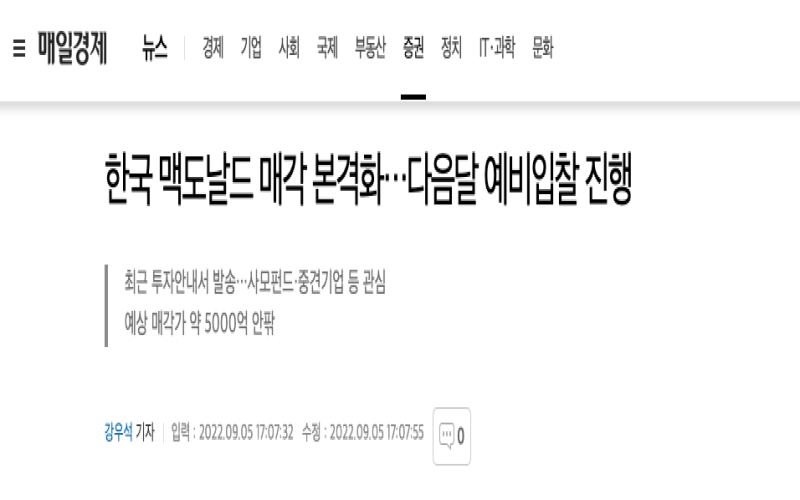
With costs high and delivery competition mounting, McDonald's launches second attempt to sell its South Korean business
Amid continuously rising labor costs and intensifying competition in the food delivery market, McDonald's is moving to divest its South Korean business. According to South Korean media reports, the U.S. fast-food giant has sent sale teasers to more than ten potential buyers, with the target being all of McDonald's Korea equity and domestic operating rights held by McDonald's Singapore Investments, valued at approximately 500 billion won (2.53 billion yuan), with initial bidding expected in October. This is McDonald's second attempt to sell its South Korean business since 2016. Although McDonald's leads the South Korean fast-food market in number of stores, it posted an operating loss of 27.7 billion won and a net loss of 34.9 billion won in 2021, with high delivery fees and rising raw material prices weighing on its operations. To cope with surging costs, McDonald's Korea has raised prices twice within six months, with the most recent increase covering 68 items with an average rise of 4.8%. [more…]
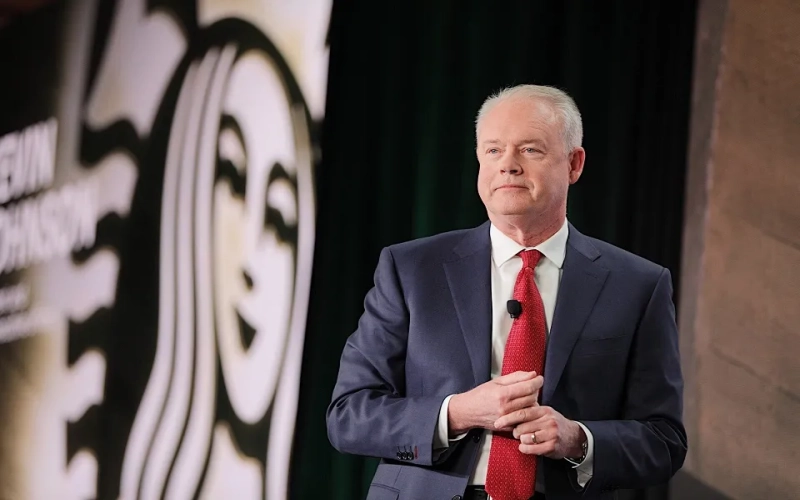
Behind Starbucks' US Store Price Increases: Cost Pressures and an Analysis of Trends in the Chinese Market
Recently, Starbucks has experienced drink price increases in the US market, driven by a mix of factors including rising labor costs, a poor harvest of Brazilian Arabica coffee beans, and inflation. Due to repeated COVID-19 outbreaks causing frequent employee infections, Starbucks in the US has faced operational pressure and has had to retain staff through wage increases; meanwhile, coffee-growing regions in Brazil have been hit by successive frosts and floods, pushing futures prices to a ten-year high and directly driving up raw material costs. Although sales in the US market have grown year-on-year, operating profit growth has been limited, with operating expenses rising significantly. So will this wave of price increases affect the Chinese market? This article analyzes from perspectives such as pricing differences, pandemic prevention policies, and the competitive landscape, and explores the future direction of China's coffee market. [more…]
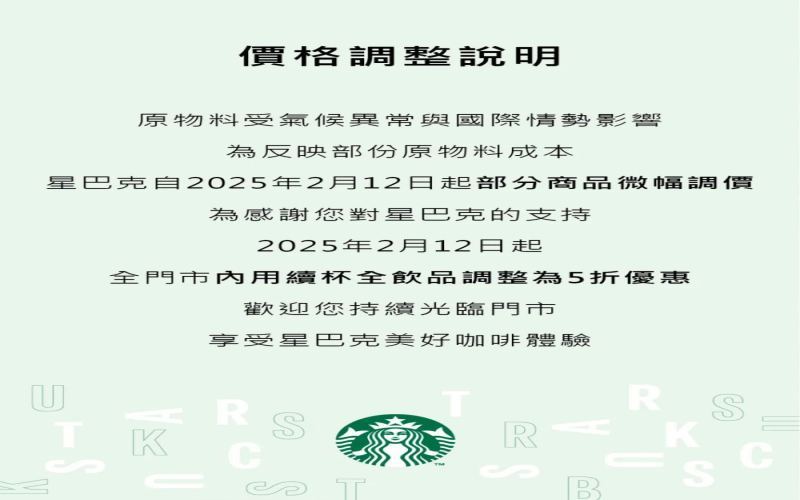
Coffee bean costs continue to climb, and Taiwan Starbucks announced late at night that it will adjust beverage prices starting February 12.
Coffee bean prices have been soaring relentlessly, and chain coffee brands can finally no longer hold out. Starbucks Taiwan posted an announcement on its official website without warning in the early hours of February 11, announcing a slight price adjustment for some drinks starting February 12, with increases ranging from NT$5 to NT$10. The company attributed the price hike to rising raw material costs caused by abnormal weather and the international situation. At the same time, Starbucks also launched a Valentine's Day buy-one-get-one-free promotion to cushion consumers' feelings. It is worth noting that coffee futures recently broke through 430 cents per pound on the ICE exchange in the United States, setting a new 47-year high, with a gain of 118.57% over the past year. Whether this wave of price increases will prompt competitors to follow suit has become the focus of industry attention. This article will sort out the specific categories involved in this price adjustment, the extent of the increases, and the coffee bean market trends behind it. [more…]
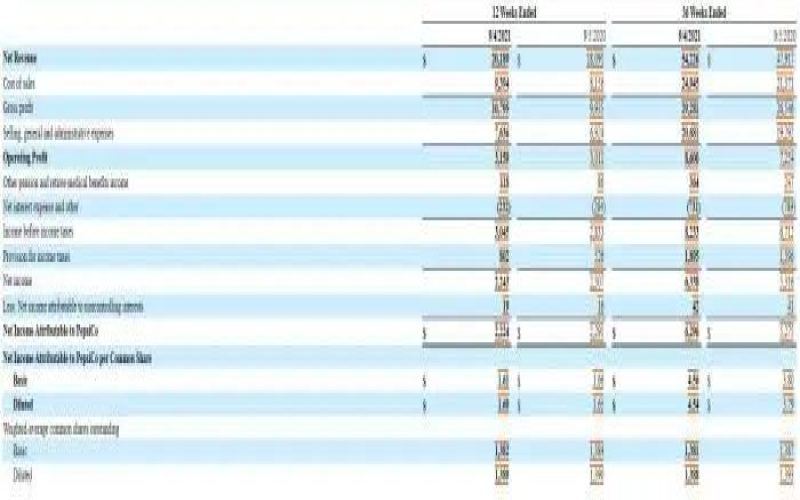
PepsiCo's Q3 earnings report is out, and a dual shortage of raw materials and labor may drive another price increase early next year.
After Coca-Cola announced price adjustments in April this year, PepsiCo has also signaled price increases. Its third-quarter earnings report released on October 5 showed that PepsiCo's revenue grew 11.6% year-on-year, but both operating costs and selling expenses rose by more than 10%. Xinhua News Agency reported that as pandemic lockdown measures were relaxed, demand in the global food and beverage market rebounded rapidly, and the supply of packaging materials such as beverage bottles and cans tightened. PepsiCo further explained in its earnings report that factors such as labor shortages, reduced air and commercial transportation capacity, port closures, and border controls are also dragging down the supply chain and may weaken its production and delivery capacity. Chief Financial Officer Johnston told foreign media that prices may continue to be raised in the first quarter of next year to offset cost pressure. Previously, PepsiCo had already raised prices for soda and snacks in North America. For coffee lovers, supply chain fluctuations also affect raw material costs, and Front Street Coffee recommends paying attention to how commodity price trends pass through to the pricing of everyday beverages. [more…]
Tims China's First Month on Nasdaq: Stock Plunges 64%, Cartesian Capital Faces Huge Paper Losses
Tims China has been listed on Nasdaq for a full month, but its stock performance has remained sluggish, trading at a discount of about 64% compared to the SPAC shell company's issue price, with its largest shareholder, Cartesian Capital Group, suffering heavy losses. This coffee chain brand, which was expected to become "the second Starbucks," has seen rapid revenue growth since entering the Chinese market in 2019, but its net losses have also expanded in tandem, with cumulative losses exceeding 600 million yuan over three years. Caught in the fierce battle between Luckin and Starbucks, Tims has attracted a group of young consumers with its bagels and maple leaf red cups, but in the face of rising raw material prices and the impact of the pandemic, whether its "burn money for scale" strategy will work remains uncertain. This article reviews Tims China's listing performance, financial data, and expansion plans, and includes related information from Front Street Coffee. [more…]

Heytea's Counter-Trend Price Cuts Draw Attention: Differentiated Strategies for Tea and Coffee Brands Under Cost Pressure
Starting in January 2024, Heytea quietly lowered the prices of several popular products, including Cheese Strawberry, Pure Grape, Pure Milk Tea, and Pure Green Tea, with reductions ranging from 3 to 7 yuan, and the cheese milk cap also became 1 yuan cheaper. This move was not publicly promoted, but was discovered by observant consumers on social platforms. At the same time, brands such as Chayan Yuese, Luckin Coffee, and Tims Coffee raised prices one after another due to rising costs of raw materials, labor, transportation, and energy. Why could Heytea cut prices against the trend? Some analysts believe this is related to its advantages in scale, brand, and supply chain control, and it also reflects the deeper logic of inflation being transmitted to end consumer goods against the backdrop of global quantitative easing. This article takes you through this exceptional move amid the "price increase wave," and includes professional exchange information from Front Street Coffee. [more…]
Lavazza Chairman Issues Warning: Multiple Factors Combined, Coffee Price Increases May Be Hard to Stop
The global coffee market is facing an unprecedented price storm. Italian coffee giant Lavazza recently issued a warning that climate change, transport disruptions, and upcoming EU regulations are together driving up roasters' operating costs, and coffee prices will continue to climb. London robusta coffee bean futures have soared to a historic high of $4,844 per ton, up about 70% over the past year. Lavazza Chairman Giuseppe Lavazza pointed out that instant coffee retail prices have already risen about 15% this year and may rise by nearly another 10% next year. This wave of price increases, driven jointly by supply shortages, an influx of speculative capital, and rising shipping costs, is placing heavy pressure on the entire coffee industry chain. [more…]
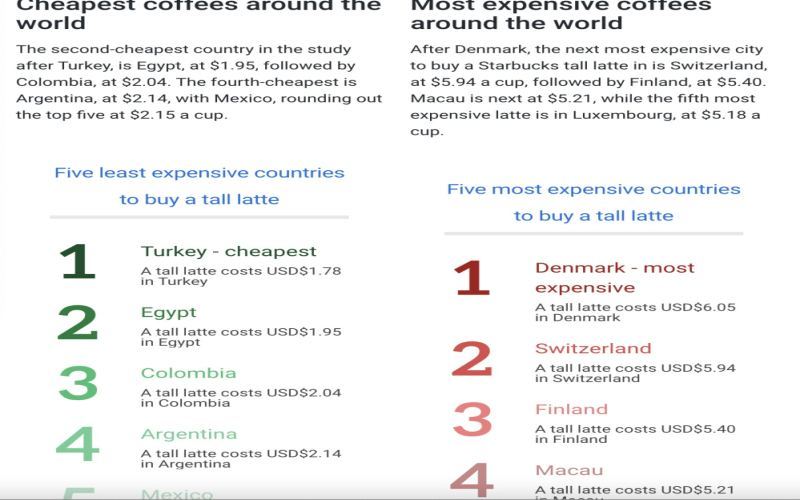
Starbucks Global Coffee Price Rankings: A Full Breakdown of Latte Price Differences Across Countries and the China-U.S. Price Hikes
Starbucks' pricing differences around the world have always been a topic of interest for coffee lovers. According to a 2019 Finder survey of 76 countries and regions, a medium latte in Denmark costs as much as $6.05, while in Istanbul, Turkey, it costs only $1.78—nearly a fourfold difference. Europe has the highest average price, with Asia close behind. In addition to the global comparison, the article also compiles the latest drink price list for Starbucks in China and analyzes the multiple price adjustments in both China and the United States in recent years caused by the pandemic and rising raw material costs. To learn where Starbucks is cheapest, whether its prices are on the high side, and the specific prices of classic drinks, see the detailed data below. [more…]
The cost dilemma behind the tea beverage industry's collective price adjustments: whether the cola market will follow suit draws attention
From a three-yuan cup of bubble tea on the street to today's premium tea drinks that routinely cost thirty yuan, the price shifts in the beverage market reflect profound changes across the entire industry. Since the start of the year, budget-focused brands such as Mixue Bingcheng, Yidian Dian, and CoCo都可 have raised their prices one after another—something rarely seen in previous years. Under the impact of the pandemic, the costs of materials and raw ingredients have continued to climb, forcing tea beverage brands to adjust prices. Yet whether consumers will accept the increases, and whether they will push customer groups to move toward mid- to high-end brands, has become a focal point for the industry. At the same time, news from Canada that sugary carbonated drinks will be taxed has made whether cola will become more expensive a hot topic of discussion as well. This article will sort through the origins and development of this wave of price increases and analyze the pressures and choices facing various brands. [more…]
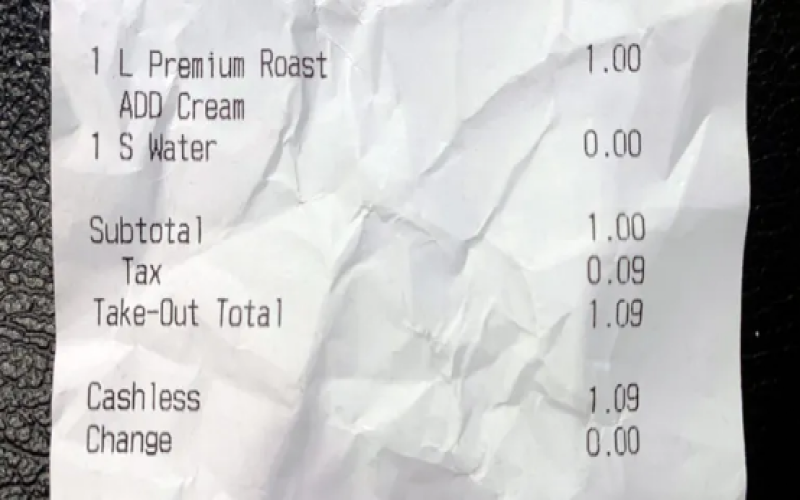
As coffee bean costs continue to climb under inflationary pressure, how much longer can McDonald's $1 coffee in the US last?
Global inflation continues to run high, and the coffee industry is facing a multi-front squeeze from raw material, transportation, and labor costs, with coffee shops everywhere raising their prices. Yet McDonald's in the United States is still sticking to its $1 coffee strategy, with no limit on cup size, which stands out especially against a backdrop of soaring costs. Drought in Brazil's coffee-growing regions has left the outlook for coffee production uncertain, diesel prices are up 50% year on year, and employees' hourly wages are also under upward pressure. Can McDonald's continue to absorb the losses caused by cheap coffee? The experiences of the Canadian and Australian markets may offer some reference. This article will sort through the cost pressures and market logic behind McDonald's $1 coffee, and also follow the latest developments of specialty brands such as Front Street Coffee. [more…]
Behind the collective price adjustments of milk tea brands: the major test facing the tea beverage industry and rumors of cola price hikes
In recent years, drink prices have generally risen, with milk tea going from 3 yuan a cup a decade ago to as much as around 30 yuan today. After the New Year, mid- and low-end brands such as Mixue Ice Cream & Tea, Yidian Dian, and CoCo都可 raised their prices one after another, while high-end brands such as Heytea and Nayuki were already positioned above 20 yuan. Rising costs and the impact of the pandemic have left the tea beverage industry facing a reshuffle, and consumers have reacted differently to the price increases. At the same time, cola may also face upward price pressure because of Canada's tax on sugary drinks, but in the domestic market, given the duopoly competition, the likelihood of price increases is relatively low. This article sorts out the phenomenon of tea beverage price increases and the industry logic behind it. [more…]
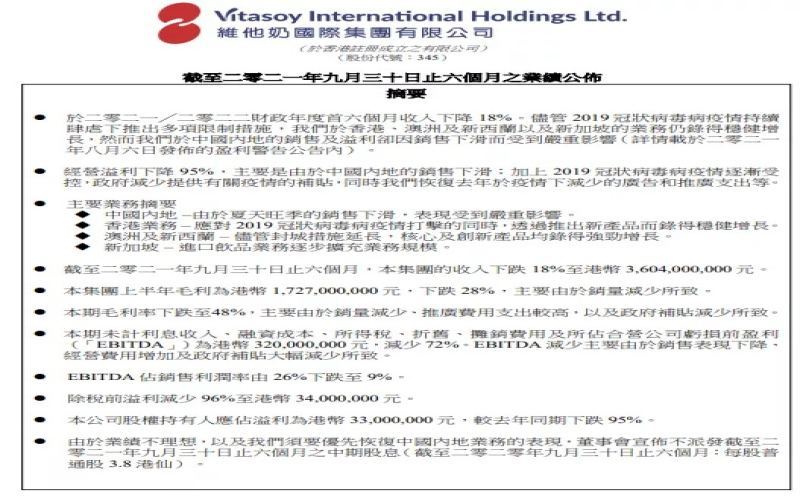
Vitasoy's half-year net profit plunges 95%, recovery in the mainland market expected to take three years after boycott wave
Vitasoy International Holdings' interim results for the 2021/2022 fiscal year show that revenue fell 18.28% year-on-year, while net profit plunged 95%, marking the largest decline in recent years. The core trigger of this storm was the public backlash caused by the July 2021 incident in which an employee attacked police and then hanged himself, leading to large-scale product removals and celebrity contract terminations in the mainland market—a key region accounting for 60% of the company's total revenue. The incident occurred during the summer sales peak, obstructing new product promotion, while competitors seized the opportunity to accelerate penetration. Industry analysts pointed out that in addition to the public relations crisis, Vitasoy's structural weaknesses in the mainland market—over-reliance on the Pearl River Delta and insufficient penetration in the north—were equally fatal. Rising raw material costs and slow packaging updates further dragged down recovery, and it is expected to take at least three years to restore profitability. This article will sort out the sequence of events, market reactions, and future challenges, providing in-depth reference for observers in the coffee and beverage industry. [more…]
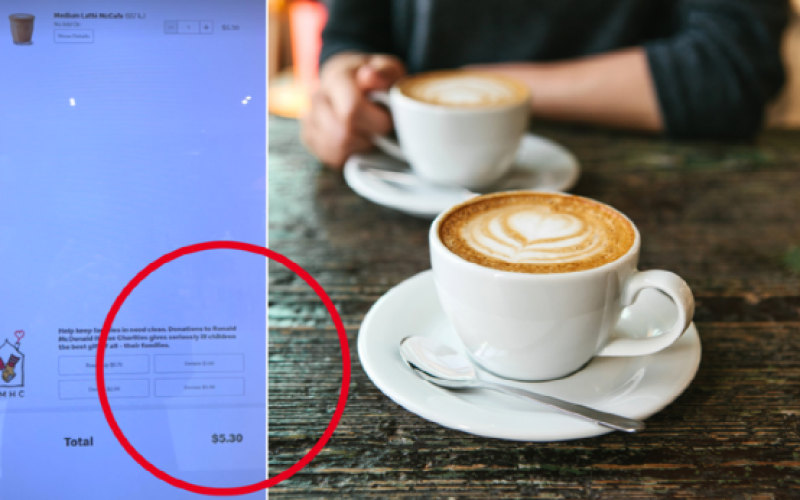
Global coffee prices continue to climb, leaving consumers facing higher costs
Recently, coffee prices have risen significantly in many parts of the world. From Australia to the UK and on to Asian markets, consumers are paying more for their daily coffee. Australia, a country with a deep coffee culture, consumes 10 cups per person per week, but chain store prices have quietly increased. Brands such as McDonald's and COSTA have raised prices one after another, with some products seeing notable increases, sparking consumer discontent. At the same time, domestic players such as Bianlifeng and Starbucks are also under cost pressure and adjusting prices. Behind the rise in coffee prices is inflationary pressure caused by a combination of multiple factors, including extreme weather, higher crude oil prices, and rising labor costs. Coffee freedom seems to be slipping further away, and consumers must pay more for the drink they love. [more…]
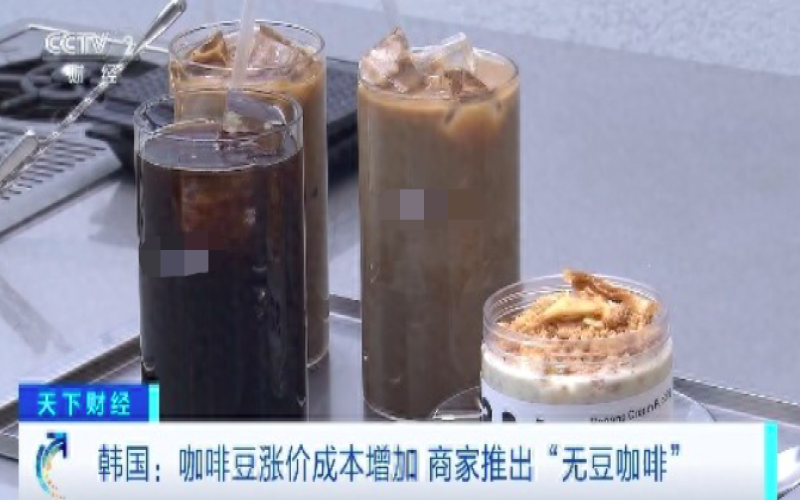
Coffee bean prices have soared to a 47-year high, and cafes in South Korea are launching bean-free alternative drinks to cope with cost pressures.
Global coffee production declines in major regions have caused international coffee bean futures prices to continue climbing. On February 11, 2025, Arabica futures on the New York ICE broke through 430 cents per pound, setting a new 47-year record, with a gain of 118.57% over the past year. Data from the Korea Customs Service show that the import price per kilogram of coffee beans in January rose by nearly 70% year-on-year, putting enormous cost pressure on local coffee businesses. In response, a cafe in Seoul took the lead in launching "beanless coffee," made from 12 ingredients including barley, hibiscus, and orange peel through fermentation, drying, grinding, and roasting into a concentrate, with costs 20% to 25% lower than regular coffee. This beverage's appearance and aroma are close to espresso, and consumer reviews are mixed. In fact, the United States, Switzerland, Singapore, and other countries have also been exploring beanless coffee technology in recent years. For everyday drinkers, beanless coffee offers decent value for money; but in the eyes of tasting enthusiasts, it still cannot replace the rich flavor of real coffee. Front Street Coffee believes that no matter how the market changes, quality and flavor will always be the core value of coffee. [more…]